
Laddu Gopal Ki Aarti: Devotion, Rituals, and Spiritual Significance
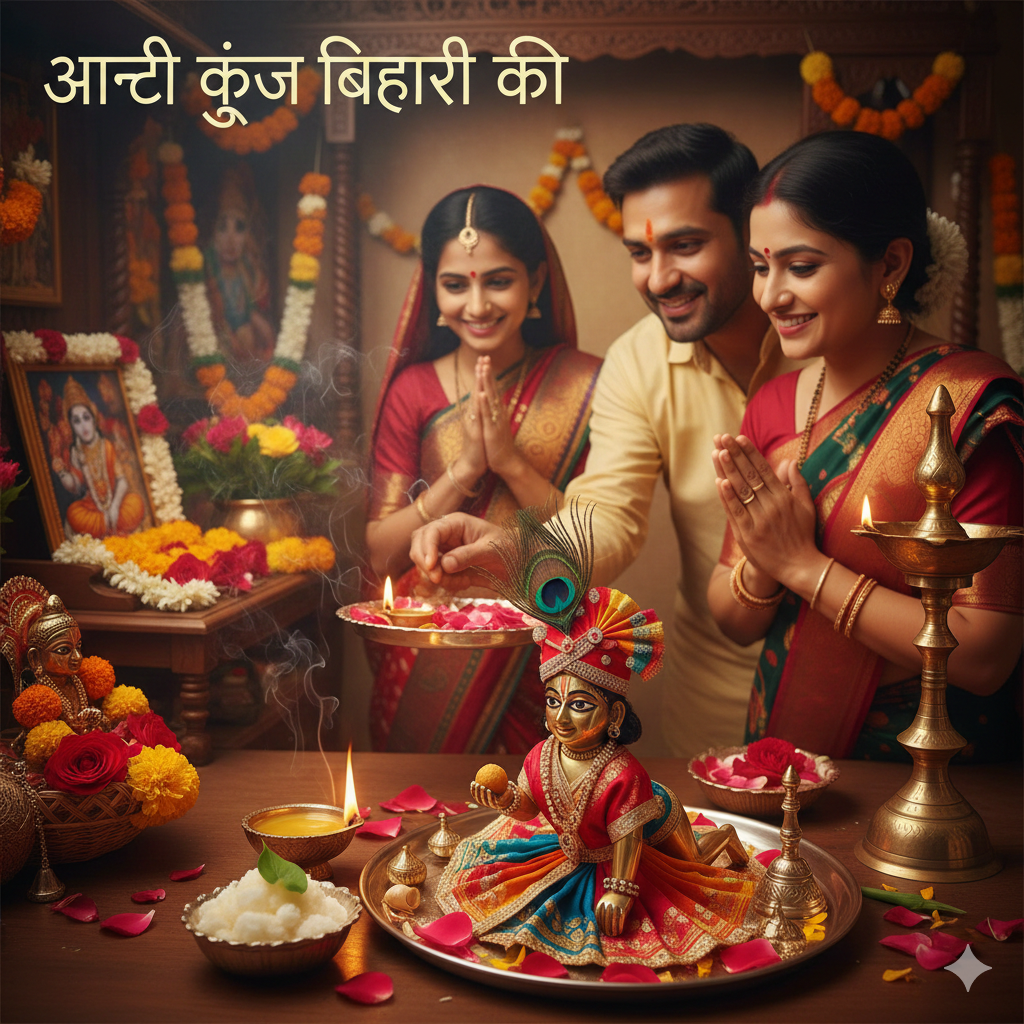
In the heart of millions of Hindu households resides a divine presence that is more than just a deity; he is a family member. Laddu Gopal, the infant form of Lord Krishna, represents innocence, joy, and the mischievous playfulness of the Divine.1 While there are many ways to worship the Lord, performing the Laddu Gopal ki Aarti is perhaps the most soulful and evocative ritual in the daily routine of a devotee.
This comprehensive guide explores the deep spiritual meaning, the lyrical beauty of the aarti, and the specific rituals involved in caring for Bal Gopal.
Who is Laddu Gopal?
Before diving into the aarti, it is essential to understand why this specific form of Krishna is so beloved. Laddu Gopal (also known as Bal Gopal) depicts Krishna as a crawling baby holding a laddu (sweet) in his hand.2
Unlike the awe-inspiring forms of Vishnu, Laddu Gopal is worshipped with Vatsalya Bhava—the emotion of parental love. Devotees treat the idol as their own child, waking him up, bathing him, feeding him, and putting him to sleep.3 The aarti is the pinnacle of this daily interaction, serving as a formal yet intimate expression of love.
The Lyrics: Laddu Gopal Ki Aarti
The most commonly recited aarti for Laddu Gopal is “Aarti Kunj Bihari Ki,” though many families also recite specific verses dedicated to the infant form. Below is the essence of the traditional aarti performed during the Shringar (dressing) or Sandhya (evening) hours.
Aarti Kunj Bihari Ki (Main Verses)
Hindi Lyrics:
आरती युगल किशोर की कीजै, तन मन धन न्योछावर कीजै। गौरश्याम मुख निरखत रीझै, प्रभु को रूप नयन भरि पीजै।
कंचन थार कपूर की बाती, हरि आए निर्मल भई राती। फूलन की सेज फूलन की माला, रत्न सिंहासन बैठे नन्दलाला।
मोर मुकुट कर मुरली सोहै, देखि छवि कोटि कामदेव मोहै। बाएं वृषभानुनन्दिनी सोहै, प्रभु की युगल छवि मन मोहै।
कंचन थार कपूर की बाती, जगमगत ज्योति देखि मन राती। भक्त हेतु प्रभु भेख बनाया, यशोदा गोद खिलावन आया।
श्री कृष्ण की आरती जो कोई गावै, बसि बैकुण्ठ परम पद पावै। आरती युगल किशोर की कीजै, तन मन धन न्योछावर कीजै।
English Transliteration:
Aarti Yugal Kishor Ki Keejai, Tan Man Dhan Nyochavar Keejai. Gaur-Shyam Mukh Nirkhat Reejhai, Prabhu Ko Roop Nayan Bhari Peejai.
Kanchan Thaar Kapoor Ki Baati, Hari Aaye Nirmal Bhai Raati. Phoolan Ki Sej Phoolan Ki Maala, Ratna Singhasan Baithe Nandlala.
Mor Mukut Kar Murali Sohai, Dekhi Chhavi Koti Kaamdev Mohai. Baaye Vrishbhanu-Nandini Sohai, Prabhu Ki Yugal Chhavi Man Mohai.
Kanchan Thaar Kapoor Ki Baati, Jagmagat Jyoti Dekhi Man Raati. Bhakt Hetu Prabhu Bhekh Banaya, Yashoda God Khilavan Aaya.
Shri Krishna Ki Aarti Jo Koi Gaavai, Basi Baikunth Param Pad Paavai. Aarti Yugal Kishor Ki Keejai, Tan Man Dhan Nyochavar Keejai.
2. Aarti Kunj Bihari Ki
This is perhaps the most famous aarti for Lord Krishna. It is sung with great energy and describes the physical beauty of Laddu Gopal, from his peacock feather to his sweet-sounding flute.
Hindi Lyrics:
आरती कुंजबिहारी की, श्री गिरिधर कृष्णमुरारी की ॥ गले में वैजंती माला, बजावै मुरली मधुर बाला । श्रवण में कुण्डल झलकाला, नंद के आनंद नंदलाला ॥
गगन सम अंग कांति काली, राधिका चमक रही लाली । लतन में ठाढ़े बनमाली; भ्रमर सी अलक, कस्तूरी तिलक, चंद्र सी झलक, ललित छवि श्यामा प्यारी की ॥ आरती कुंजबिहारी की, श्री गिरिधर कृष्णमुरारी की ॥
कनकमय मोर मुकुट बिलसै, देवता दरसन को तरसैं । गगन सों सुमन रासि बरसै; बजे मुरचंग, मधुर मृदंग, ग्वालिन संग, अतुल रति गोप कुमारी की ॥ आरती कुंजबिहारी की, श्री गिरिधर कृष्णमुरारी की ॥
जहां ते प्रगट भई गंगा, कलुष कलि हारिणी श्रीगंगा । स्मरन ते होत मोह भंगा; बसी शिव सीस, जटा के बीच, हरै अघ कीच, चरन छवि श्रीबनवारी की ॥ आरती कुंजबिहारी की, श्री गिरिधर कृष्णमुरारी की ॥
चमकती उज्ज्वल तट रेनू, बज रही वृंदावन बेनू । चरावत अति सुख माखन धेनू; हँसत हरषाय, चुटकि डराय, पाय लपटाय, दुलारत नन्द दुलारी की ॥ आरती कुंजबिहारी की, श्री गिरिधर कृष्णमुरारी की ॥
English Transliteration:
Aarti Kunj Bihari Ki, Shri Giridhar Krishna Murari Ki. Gale Mein Baijanti Mala, Bajave Murali Madhur Bala. Shravan Mein Kundal Jhalakala, Nand Ke Anand Nandlala.
Gagan Sam Ang Kanti Kali, Radhika Chamak Rahi Lali. Latan Mein Thadhe Banamali; Bhramar Si Alak, Kasturi Tilak, Chandra Si Jhalak, Lalit Chhavi Shyama Pyari Ki.
Kanakmay Mor Mukut Bilsai, Devta Darsan Ko Tarsai. Gagan Son Suman Raasi Barsai; Baje Murchang, Madhur Mridang, Gwalin Sang, Atul Rati Gop Kumari Ki.
Jahan Te Pragat Bhai Ganga, Kalush Kali Haarini Shri Ganga. Smaran Te Hot Moh Bhanga; Basi Shiv Sees, Jata Ke Beech, Harai Agh Keech, Charan Chhavi Shri Banwari Ki.
Chamakati Ujjwal Tat Renu, Baj Rahi Vrindavan Benu. Charawat Ati Sukh Makhan Dhenu; Hansat Harshaya, Chutki Daraya, Paay Lapataya, Dulart Nand Dulari Ki.
Tips for Chanting the Aarti
- Rhythm (Laya): Use a small handbell (ghanti) or clap in a slow, steady 4/4 rhythm. Laddu Gopal is a child, so the mood should be joyful and celebratory.
- Visualization: While singing “Mor Mukut,” look at the peacock feather on his crown. When singing “Murali,” focus on the flute in his hands. This is called Manas Puja (worship through visualization).
- The Offering: At the end of the aarti, it is customary to circle the plate over a small bowl of water and then offer the “warmth” of the flame to your eyes and forehead as a blessing (Aarti Lena).
Steps to Perform Laddu Gopal Ki Aarti
Performing the aarti isn’t just about waving a lamp; it is a meditative process. To perform Laddu Gopal ki aarti correctly, follow these steps:
1. Preparation of the Thali
Ensure your aarti thali is prepared with the following items:
- Deepak (Lamp): Preferably filled with desi ghee and a cotton wick.
- Dhoop (Incense): To purify the air and create a divine aroma.5
- Flowers: Fresh rose or marigold petals.
- Sankha (Conch): To announce the beginning of the ritual.
- Bell: To create a rhythmic sound that focuses the mind.
2. The Ritual of “Aartik”
When performing the aarti, move the lamp in a circular motion in front of the idol. According to scriptures, the movement should follow a specific pattern:
- Four times around the feet.
- Two times around the navel.
- Once around the face.
- Seven times around the entire body.
3. Bhog (Offering)
Laddu Gopal loves sweets. No aarti is complete without offering Bhog. Common offerings include:
- Makhan-Mishri: Krishna’s favorite butter and sugar candy.6
- Laddus: Specifically Besan or Boondi laddus.
- Tulsi Dal: A leaf of Tulsi must be placed on every offering, as Krishna does not accept food without it.
The Significance of Laddu Gopal Ki Aarti
Why do we perform aarti? Beyond the ritualistic aspect, it serves several psychological and spiritual purposes:
| Aspect | Benefit |
| Focus | The rhythmic sound of the bell and the flickering flame help center a wandering mind. |
| Gratitude | It is a moment to thank the Lord for the protection and joy he brings to the home. |
| Purification | The ghee lamp and incense are believed to remove negative energies from the living space. |
| Surrender | By circling the flame, the devotee symbolizes that their life revolves around the Divine. |
Daily Routine: Beyond the Aarti
To truly worship Laddu Gopal, the aarti is just one part of a “Seva” (service) routine.7 Devotees who keep Laddu Gopal at home usually follow this schedule:
Morning (Waking Up)
The Lord is gently woken up with the sound of a bell or a soft song. This is followed by Abhishek (bathing) using water, milk, curd, honey, and ghee.
Shringar (Adornment)
After the bath, Laddu Gopal is dressed in vibrant Poshaks (dresses). Depending on the season, he is given woolens in winter and light cotton or silk in summer.8 He is adorned with crowns (Mukut), flute (Basuri), and jewelry.9
Sandhya Aarti
As the sun sets, the evening aarti is performed. This is a time for the whole family to gather, sing bhajans, and seek blessings for the night.
Shayan (Sleeping)
At night, the jewelry and crown are removed. A small bed is prepared, and the Lord is offered a glass of milk before being put to rest. This level of care fosters a deep emotional bond between the creator and the created.
Essential Tips for Devotees
If you are beginning your journey with Laddu Gopal ki aarti, keep these points in mind:
- Purity of Intent: It doesn’t matter if you forget a verse or a step; Krishna values the Bhava (emotion) over the ritual.
- Consistency: Try to perform the aarti at the same time every day to build a disciplined spiritual connection.
- Cleanliness: Always wash your hands and feet before touching the deity or the aarti thali.
- Involve the Family: Encourage children to ring the bell or offer flowers. It instills cultural values and creates a peaceful home environment.10
Conclusion
The Laddu Gopal ki aarti is more than a religious song; it is a bridge between the human heart and the Divine. In the flickering flame of the diya, devotees see the light of the universe condensed into the form of a small, lovable child. Whether you are seeking mental peace, family prosperity, or simply a way to express your love for Krishna, the aarti serves as a powerful medium of grace.
By bringing Laddu Gopal into your home and performing his aarti with devotion, you invite an eternal source of joy, protection, and auspiciousness into your life.